



Plan and Launch: Successfully Rebranding Without Upsetting Your Audience
This article was updated on November 19, 2025
Ever announced a big change and immediately heard crickets… or worse, backlash?
Rebranding your business can feel like walking a tightrope—one misstep and you risk alienating the people who matter most: your customers.
It isn’t something that can be taken lightly, and it’s certainly not something you should do on a whim. There are multiple factors to consider before initiating a rebrand, and even more to consider once you decide to go through with one. The most critical thing to consider is that rebranding is far more than changing your logo or name. It’s about change on a much deeper level. Aligning your rebrand with your brand mission ensures that every change reflects your company’s core purpose and values.
At its core, rebranding is about reshaping the intangible feelings or perceptions people have when they think about your business. This involves changing your visual identity, strategy, awareness, and positioning.
Research by McKinsey & Company shows that successful rebranding can lead to a 10–20% increase in revenue.
Rebranding may be a good idea if your current branding no longer serves your company’s values or if you plan on expanding your target market by changing your product lineup. Whatever the reason for your rebrand, it’s crucial to have a strategy before making any changes. Below are some common reasons why businesses rebrand.
- Updating the Brand Image
- Company Growth and Evolution
- Repositioning in the Market
- Mergers and Acquisitions
- International Expansion
- Recovering from Negative Publicity
- New Vision or Leadership
- Legal Reasons
Tropicana’s Rebranding Flop
When properly executed, rebranding can breathe new life into a company, attract new customers, and help your business connect better with its existing customer base.
But if the rebrand is botched at any point, it can be an absolute disaster. In 2009, Tropicana underwent a major brand redesign and lost an estimated $137 million after sales dropped 20%. Ouch! Why? They replaced their iconic orange-with-a-straw packaging, breaking with the consistency customers recognized and loved. It’s a stark reminder: when you’ve built strong brand equity, it pays to be consistent—which they are doing to this day. They have gone back to the iconic straw and orange. A great design in my opinion.

Rebranding Guidelines
Video: Why Professional Branding Matters

Careful Planning and Implementation are Key to a Successful Rebrand: Define Your Rebranding Goals
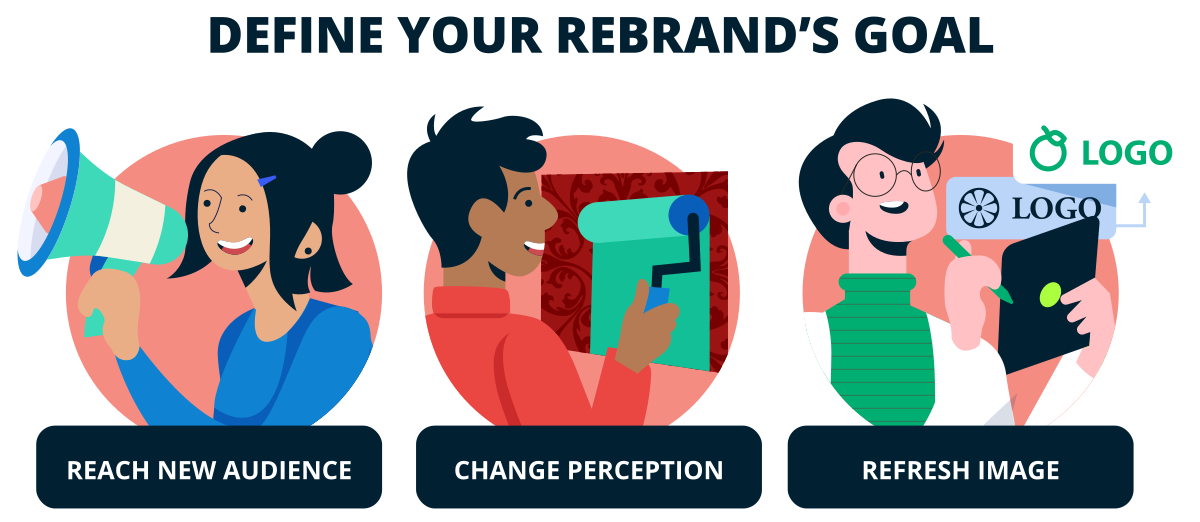
Before considering rebranding, you must understand why you’re doing it. What are your goals? What do you hope to achieve?
For example, are you trying to reach a new audience? Are you trying to change the way your company is perceived? Or are you simply trying to refresh your image?
Being clear about your long-term goals from the outset will help you make better decisions throughout the process and ensure your efforts align with a strategic rebrand.
Suppose your company is looking to expand into additional markets. Rebranding can be a great way to connect with new customers who may need help understanding your (new) logo or mission statement.
Remember, defining your goals is just the start of a successful rebranding journey.
Start with Brand Research That Aligns With Your Audience
Once you know why you’re rebranding, it’s time to make sure your new direction actually lands with the people you’re trying to reach. That means digging into the wants, needs, and hang-ups of both your current audience and the folks you hope to win over. The goal? Rebuild your brand in a way that feels fresh, but still familiar enough to build trust.
Start by holding up a mirror to your brand and asking: What’s working? What’s not? What do your customers love about you—and what makes them bounce? Just as important, what other brands are they into? What vibes with them? And what turns them off completely?
Here’s why this matters: According to Nielsen, 60% of consumers prefer to buy from brands they already know. That means your rebrand shouldn’t be a total identity transplant—it should carry some of the DNA that made people believe in you in the first place.
I always say there are creative ways to break the rules when evolving an identity. Sometimes you can be bold, sometimes you can play it safe—but gut instinct should always be part of the process.
Don’t just stop with audience research, either. Snoop on your competitors. See what they’re nailing and where they’re falling flat. The gaps in their game? That’s your opening. By doing your homework, you’ll make sure your brand doesn’t blend in—but stands out with purpose.
Use everything at your disposal—surveys, social listening, even good ol’ fashioned focus groups. The more insight you gather upfront, the more likely your rebrand will resonate, not backfire.
Bottom line: A rebrand without research is just a guess in a prettier outfit. Do the legwork now so your future brand actually connects when it counts.

Create a Rebranding Strategy
Once you know your goals and have done your research, it’s time to put a strategy together. What elements of your brand will need to change? What can (and should) stay the same? How are you going to communicate the changes to your brand to your current audience? Your strategy should be detailed and comprehensive, covering every aspect of the rebrand, from your logo and brand messaging to your social media presence.
This is where strategy meets storytelling. Your rebrand isn’t just a visual facelift; it’s a chance to rewrite the narrative. You might need a fresh visual identity, a sharper brand voice, or a whole new look and feel across your site, socials, and sales materials. Whatever it is, don’t forget the rollout—timing, consistency, and clear communication make all the difference.
And here’s a stat worth remembering: According to Harvard Business Review, 64% of consumers say shared values are the biggest reason they stick with a brand. That means it’s smart to hang onto the elements that still resonate. Familiar colors, a tone of voice your audience knows and trusts, or even just the heart of your message—these are the breadcrumbs that help loyal customers follow you into the next chapter.

Defining the Brand Story
A compelling brand story? That’s the spotlight moment of any successful rebranding journey. It’s not just narrative—it’s the soul-stirring articulation of your brand’s mission, values, and purpose that makes audiences lean in, captivated. When you craft your brand story, you’re setting the stage for all your brand messaging, creating that powerful, emotional connection with your customers that makes them remember you long after the curtain falls.
Start by diving deep into market research—become a detective of desire, uncovering what truly matters to your audience. Their needs, their dreams, their pain points. Use these golden insights to craft a story that’s uniquely, authentically yours—one that reflects your brand’s personality and mission with the authenticity of a seasoned performer. Your story should be transparent, genuine, aligned with your company’s culture and values. Every touchpoint should feel real, honest, compelling.
A masterfully defined brand story doesn’t just set you apart from the competition—it becomes the guiding star for all your rebranding adventures. It illuminates the path for your creative team, fuels your content marketing fire, and ensures every single piece of communication reinforces your new brand identity with purpose and passion. Ultimately, a powerful brand story will captivate customer engagement, nurture unwavering loyalty, and champion the long-term triumph of your rebrand. All the world’s a stage—and your brand story makes you the star.
Crafting Brand Messaging That Supports Your New Identity
Sometimes brand messaging gets overlooked when companies go through a rebrand. The messaging is just as important as the identity. You should have a copywriter develop a brand story and voice to accompany your new identity.
You should consider a variety of taglines and headlines that communicate your company’s mission or values. They should be memorable and easy to understand.
Let your new brand image shine through in your headlines and catchphrases. It ought to differentiate you from the competition while also appealing to your target audience. In addition to being brief, it should effectively summarize your company’s mission and values.
It is recommended that you compile a list of slogans and headlines that represent your organization’s various facets. All of your communications and marketing efforts can benefit from utilizing your brand’s messaging.
Establishing Brand Guidelines
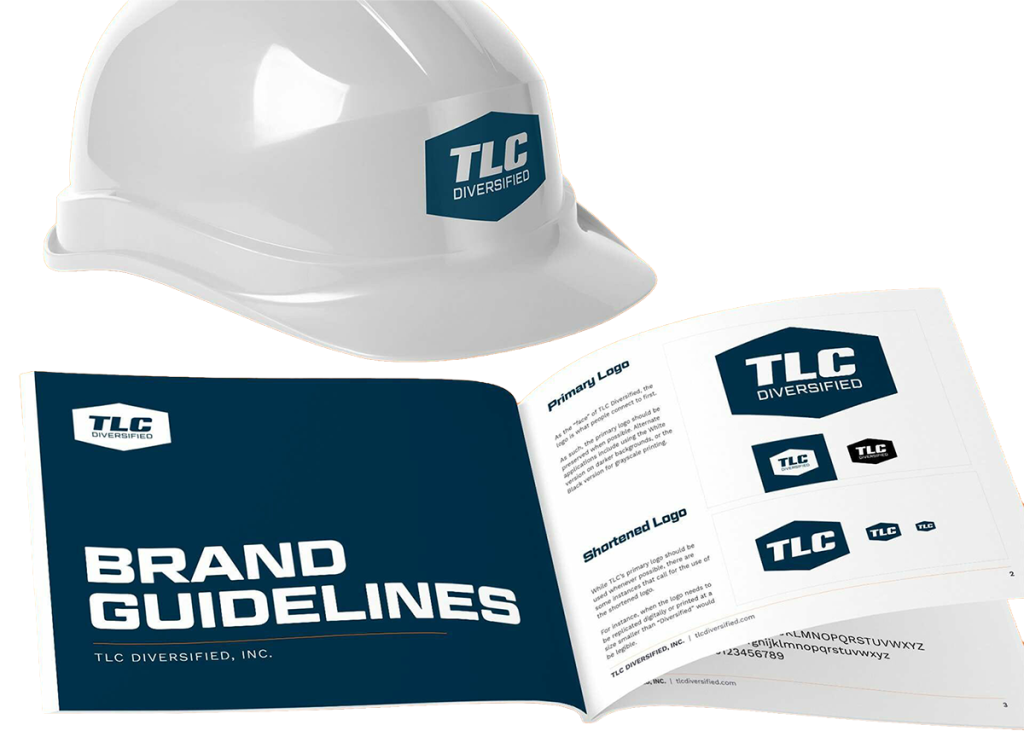
Once your brand story and voice comes alive, crafting compelling brand guidelines becomes the spotlight that shines a light on your brand’s stage.
These guidelines aren’t just rulebooks—they’re the masterful choreography that ensures every performance of your brand identity captivates and connects. Your logo, color palette, typography, and voice become the starring cast, each playing their role to perfection across every channel and touchpoint. This ensures that everyone—from your passionate internal teams to your creative external partners—becomes a storyteller who knows exactly how to make your brand shine.
Exceptional brand guidelines are both comprehensive storytelling and beautifully simple execution. Paint vivid visual examples of triumphant and misguided logo performances. There’s no confusion when color codes are specified, that speak your brand’s language and font choices that whisper your story.
Outline the preferred voice for written communications that resonates with authentic emotion. Don’t forget to choreograph how your brand assets should soar across social media, advertising, and content marketing stages—preventing any off-brand performances that could dim your spotlight.
Your brand guidelines should be more than a PDF collecting dust—they should inspire. Make them the go-to reference for anyone telling your brand’s story, inside or out. As your brand evolves, revisit and refine the guidelines to keep them relevant and full of life. When applied consistently and with purpose, they don’t just shape how things look—they build recognition, trust, and loyalty. That’s success, by design!

Get The Word Out with Buy-In and Support
Get buy-in from internal and external stakeholders? That’s your opening act—the move that turns a rebrand from just another change into a full-blown transformation. Your internal cast—employees, managers, and leadership—need to feel the story behind the rebrand, understand the “why,” and become champions of what’s next. And your external cast—customers, partners, suppliers—need front-row seats to this journey from day one.
Start with a strong communication plan. Keep everyone in the loop with regular updates, sneak peeks, and opportunities to weigh in. Internally, that means training, resources, and real conversations that make the new brand feel like their brand too. Externally, it’s about clarity, optimism, and making sure your customers know this is an upgrade—not a curveball.
Let them know:
- What’s changing (and what’s not)
- Why it matters
- How it benefits them
- What they might need to do (if anything)
The more informed and included people feel, the more likely they are to get behind your rebrand—and help carry it forward. When buy-in runs deep, your launch doesn’t just land. It resonates.

Your Identity: First Impressions Matter
Your visual identity is often the first thing people notice—and you know what they say about first impressions. Your logo, colors, fonts, and design language should instantly tell people who you are, what you stand for, and why they should care. Great branding isn’t just eye candy—it builds trust, fuels recognition, and helps people remember you in a sea of competitors. It’s the difference between “Oh, that’s nice” and “Yes, that’s the one.”
When it’s time to redesign your logo, keep it clean and intentional. Complex logos don’t stick. Choose fonts and colors that actually reflect your vibe, not just what’s trending. And make sure your logo communicates something real about your brand’s mission and personality.
Because let’s be honest—we’ve all seen logos that leave us scratching our heads: What do they even do? If your logo doesn’t say something about who you are, you’re missing an opportunity to connect. That doesn’t mean your logo needs to be a literal representation of what you offer, but it should tie everything together in a way that makes sense.
That’s why you also need rock-solid identity guidelines. Think of it as your identity playbook—outlining how (and how not) to use your logo, colors, typography, and more. These rules keep your brand consistent across every platform, every partner, every time.
Nothing tanks a brand perception faster than a warped logo or colors that feel totally off. We see this all the time in affiliate ads or third-party promotions—stretched logos, clashing color palettes, fonts gone rogue. Don’t be that brand. Lock it down. Stay consistent. Stay unmistakably you.
The Ground Work Has Been Laid: Launch Your New Brand Identity With Confidence
Once you’ve strategized and updated your company’s inner workings, it is now time to launch your new brand to the world. Start by updating your social media accounts and website. Send a press release announcing your rebrand, and ensure all your marketing materials reflect your new brand.
After you’ve launched your new brand, it’s essential to evaluate the results. Are your goals being met? Are customers responding positively to your new branding?
Monitor your social media channels and website traffic, and remember to ask your customers for their feedback.
Train Your Team to Represent Your New Brand
Employees are the face of your business, and they’ll need to be trained on your new branding to represent it accurately to your customers.
Give them the tools they need to ensure they understand your new mission statement and values and are ready to answer customer questions about your rebrand. Motion graphics animation is an excellent medium to distribute throughout your organization to fully communicate what the new brand is and why your organization decided to go through the process.
We created a video for a client that does exactly this. They have locations throughout the world, so they wanted an easy way to communicate their new brand values.
Market and Develop New Ads
The next step in the rebranding process is developing new advertisements that reflect your unique brand. Your ads should be creative and attention-grabbing, accurately reflecting your new brand and values and explicitly directed at your target market.
If you follow this plan, you’ll be well on your way to launching a successful rebrand. Remember to take your time, research, and stay true to your brand.
Make sure your marketing plan will get the word out there and, most importantly, give people a reason to care. Tell them what’s new and why it should matter to them.

Why Rebranding Takes Time — And That’s Okay
Successful rebranding takes time. It can take months to see the full impact of your new branding.
Accepting that a transition period is necessary will help you stay focused and motivated during the rebranding process, so be patient and keep working on getting your brand out there.
How to Handle Feedback After a Rebrand
No matter how significant your rebrand is, not everyone will fall head over heels for it. There will always be people who are resistant to change, but that’s okay. The important thing is to be prepared for negative feedback and be ready to address those concerns. Have a strategy in place for how you’re going to handle adverse reactions while being prepared to listen to constructive criticism.
Let The Brand Evolve
Your rebrand does not have to be perfect on day one. It shouldn’t be. The best brands are constantly evolving and changing, so don’t be afraid to experiment and make adjustments as you go.
Your goal is to create a flexible, adaptable brand that can grow and change with your company.
Launching a successful rebrand is no easy feat, but you can do it with proper and careful planning and execution. Remember to define your goals, research, create a strategy, market your rebrand, inform your customers, and be prepared for feedback. Most importantly, don’t be afraid to let it evolve.
Update Your Website to Reflect Your New Brand Story
Your website is often the initial point of contact between you and your customers. It must be up-to-date with your new branding, mission statement, and products or services. Make sure your website is responsive and easy to navigate. Use clear and concise language, and avoid using complex terminology.
We can’t stress enough the importance of a website redesign. It advocates for your business 24/7 and should make an excellent first impression. There are a lot of unique designs on the web. Don’t look like the local hometown player. You should always strive for web design that can compete on a global stage.

Make Your Rebrand a Strategic, Not Emotional Move
A rebrand is more than a visual refresh—it’s a defining moment for how people connect with your business moving forward. With the right strategy, planning, and communication, you can revitalize your brand and reach new audiences without losing your existing ones.
But make no mistake—a rebrand is a major decision that requires precision. From maintaining SEO during a domain change to rewriting your messaging with clarity and purpose, every detail matters. The brands that get it right don’t just update their look—they reinforce their value and build new trust.
At Mighty Fine, we’ve helped businesses transform their identity while staying true to their core. If you’re considering a rebrand, make sure your strategy goes beyond visuals—and into the heart of how people experience your brand.


