


This article was updated on November 28, 2025.
How Does Motion Graphics Advertising Help Your Business?
Depending on where you live and work, you’re likely exposed to somewhere between 4,000 and 10,000 ads every single day Source. Most of them blur together as static images, recycled stock footage, or templated layouts. Your audience is scrolling past a wall of sameness, and their attention is getting harder to earn.
That’s where motion graphics advertising comes in. Motion graphics take the principles of graphic design, typography, layout, illustration, color—and put them in motion. The result: short, highly focused videos and animations that make your brand story easier to notice, understand, and remember.
Recent reports show that video now accounts for roughly 82% of global internet traffic, and close to 9 in 10 marketers use video as a core part of their strategy because it consistently delivers a positive ROI. Source
Viewers retain as much as 95% of a message in video form vs around 10% when reading it as text. What a huge gap when you’re trying to educate, persuade, or launch something new. Source
Motion graphics sit right at the intersection of those trends. A Spotify playlist teaser, an Oreo mini‑story, or a product explainer with bold shapes and simple characters can cut through the noise in seconds without needing a big live‑action shoot – with all the headaches that come with big live productions.
In the rest of this guide we’ll break down what motion graphics are, where they work best in your marketing, the psychology behind why they’re so effective, and how to know if they’re paying off.
Motion Graphics Advertising: Everything You Need to Know

Definition of Motion Graphics
“Motion graphics” (or “motion design”) is essentially graphic design in motion. It combines photography, illustration, iconography, typography, and layout into animated compositions that tell a story or explain an idea. A motion graphics video takes those static elements and brings them to life.
Instead of relying on actors or long scripts, motion graphics use visual metaphors and simple shapes—charts that transform, icons that morph, characters that represent personas to show what would be complicated to explain in text alone or even an actor. Done well, they communicate your core message even if the viewer watches with the sound off.
Modern brands lean heavily on this style:
- Google’s Gemini AI launch blends live‑action footage with bright motion graphics to show abstract AI capabilities in an immediate, human way.
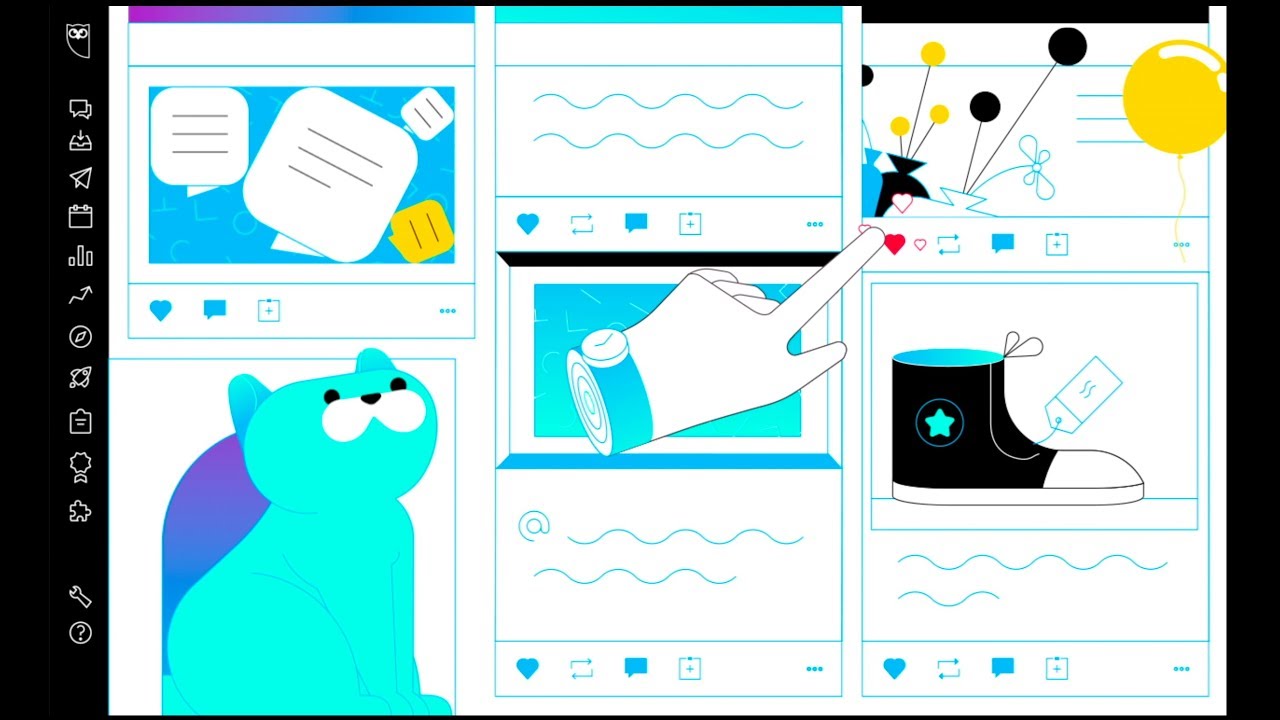
- Hootsuite hook viewers with a super-relatable line about social media being a party you’re not invited to, then flip it into the solution: “Have your own party.” By showing how easy it is to manage social media marketing for your business. Strong art direction, a playful storyline, and brilliant transitions make the whole piece both memorable and informative.
Motion Graphics as Visual Storytelling in Modern Media and Marketing
Motion graphics have been setting moods and telling stories for decades. Visionaries like Saul and Elaine Bass pioneered the form in the 1950s, creating title sequences that didn’t just list names, they communicated the tone and emotional landscape of an entire film before the first scene began.
Today, motion graphics show up almost everywhere:
- Film & TV: title sequences, lower thirds, transitions, and show packages.
- Digital products: onboarding flows, feature demos, and in‑app micro‑animations.
- Social media & ads: short, vertical animations designed to work in fast feeds.
- Events & arenas: big‑screen graphics for sports, concerts, and conferences that turn the whole building into a multi-media showcase.
97% of viewers share content they find informative or exciting. That content might be an advertisement.
Brands use motion graphics not just to decorate, but to carry meaning—to set the tone, explain benefits, and bring abstract ideas down to earth. Intel’s recent rebrand, for example, uses synchronized type, geometric forms, and music‑driven transitions to introduce a new visual identity that feels cohesive across every touchpoint.
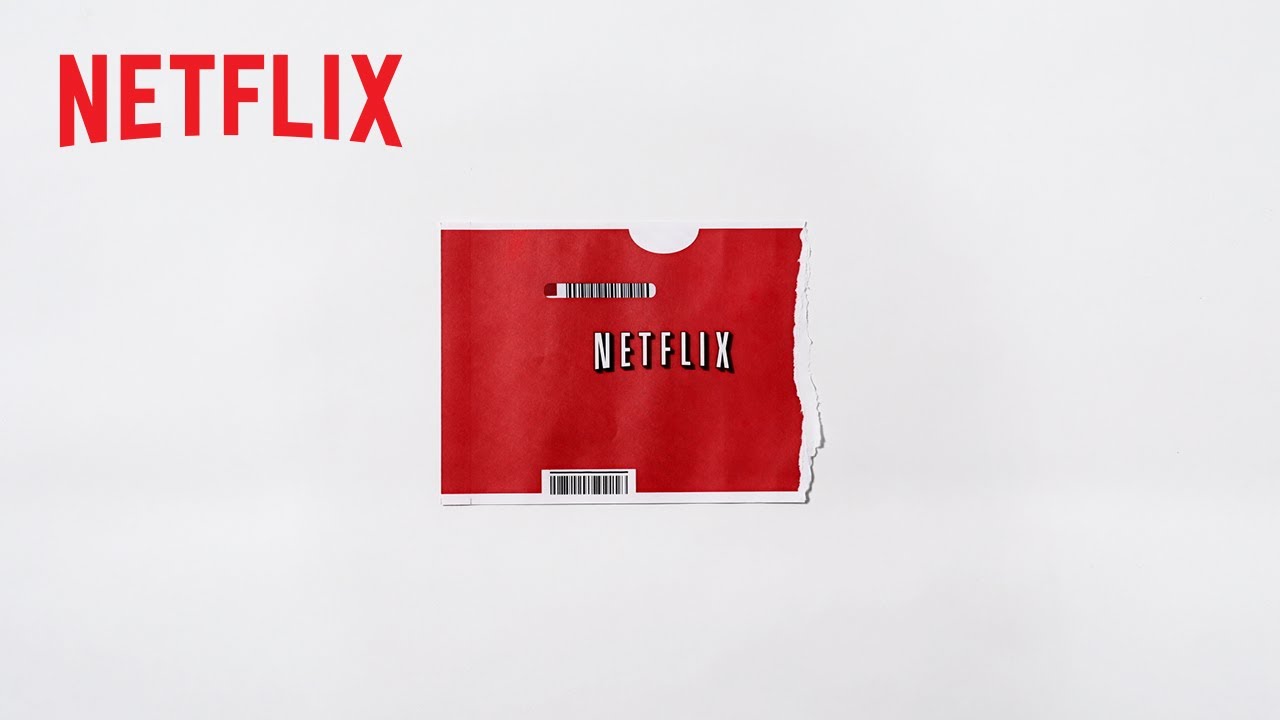
Even nostalgia gets the motion treatment. For its 25th anniversary, Netflix combined subtle animated transitions with iconic show clips to create an emotional retrospective that feels both cinematic and personal. While animation makes it feel punchy and relevant.
Why Bother with Motion Graphics Advertising?
Let’s ground this in data. Motion graphics are part of the broader video landscape, and the numbers behind video are hard to ignore – a quick recap:
- People retain up to 95% of a message in video form vs about 10% when reading it as text.
- Video accounts for 82% of global internet traffic, and that share is expected to hold or grow as streaming and short‑form video continue to dominate.
- Adding video to a landing page can boost conversions by up to 80–86%, depending on the industry.
- Over 90% of marketers report positive ROI from video marketing, and more than 80% say it directly increases leads and sales.

Motion graphics sit in the sweet spot of this trend:
- They’re faster and more flexible to produce than many live‑action shoots.
- They scale easily across social, paid media, email, events, and product pages.
- They’re uniquely suited to explaining abstract, invisible, or technical ideas (think SaaS, fintech, healthcare, AI). This is where the truly shine!
Whether you’re launching a product, repositioning your brand, or trying to make a complex idea feel simple, motion graphics give you a toolkit for building awareness, improving understanding, and ultimately driving revenue.
Where Motion Graphics Make the Biggest Impact
There are many “types” of motion graphics, but from a marketing standpoint it’s more useful to think about where they show up in your funnel and what job they do.
Animated Ads
Between social feeds, news sites, apps, and outdoor screens, your audience is drowning in impressions. Animated ads help you win the first second of attention.
In a recent eye‑tracking study run with a U.S. sample of more than 1,200 people, animated ad formats produced a 25% lift in brand recall and a 17% lift in ad recall compared with identical static creatives Source.
Separate research found viewers were 155% more likely to recall a brand after seeing an animated display ad versus a static banner.
That’s huge when people are exposed to thousands of ads a day but consciously remember only a handful.
Where animated ads shine:
- Paid social campaigns (Instagram, TikTok, LinkedIn, YouTube)
- Programmatic display and digital out‑of‑home (DOOH)
- App install campaigns and product launches – this leaves no guess work for the end-user
- Wherever you need to dilute a complex message in way that’s engaging
Best practices:
- Lead with the payoff (benefit or tension) in the first 3–5 seconds.
- Design for sound‑off viewing with bold typography and clear iconography.
- Create short versions (6–15 seconds) for ads and slightly longer cuts for organic social.
Mighty Fine Motion Graphics Advertising Demo Reel
Explainer Videos
Explainer videos are one of the most common and effective uses of motion graphics. They’re short videos often 60–120 seconds that walk your viewer from problem to solution in a clear, visually guided way.
Recent studies show:
- Over 90% of consumers have watched an explainer video to learn more about a product or service.
- About 80% of users are more likely to complete a purchase after watching an explainer video.
- Adding video to a landing page can boost conversions by 80% or more in many cases. Source
Explainers work especially well for:
- Product overviews and feature tours Perfect for showing what your product actually does without drowning people in screenshots or jargon.
- Onboarding and “how-it-works” When users understand something instantly, they stick around. A quick visual walkthrough can cut confusion fast and make buying decisions easier.
- Sales decks, demos, and investor pitches Want people to “get it” in seconds? A good explainer helps your team tell a clearer story, increase engagement, and and close deals with stronger pitches.
The goal isn’t to cover everything—it’s to make one core idea feel obvious and low‑friction. Anything that simplifies your audience’s life or reduces uncertainty is a strong candidate for an explainer.
Animated Infographics
Infographics are already powerful. They’re among the most commonly used and shared content formats—often ranking just behind blogs and video. Visual content can be several times more likely to be shared than plain text. Add motion, and those numbers become stories you can’t ignore.
Animated infographics are perfect for:
- Turning dense reports into memorable social content
- Highlighting key stats in sales or investor decks – nobody wants to see a long winded white paper.
- Explaining timelines, processes, or comparisons step‑by‑step
Kinetic Typography
Font choice has always been a subtle but important part of branding. Kinetic typography takes it further by animating type to emphasize key words, pacing, and emotion. And make words come alive!
This is especially effective in a mobile‑first, sound‑off world, where a huge share of social video is watched without audio. Animated text lets your message land clearly even when the viewer never turns the volume up.
Use kinetic type to:
- Highlight quotes, testimonials, or bold claims
- Break up long‑form content with visually interesting pull‑quotes
- Support voiceover with synchronized on‑screen text

Animated Logos
Your logo already does a lot of heavy lifting. An animated logo turns it into a short, recognizable signature that instantly signals your brand whenever a video plays. It also gives the perception of sophistication if done correctly.
Dynamic logos are ideal for:
- Intros and outros on all of your video content
- Loading states and transitions inside digital products
- Events, presentations, and sponsorship placements
- Just about everything when it comes to videos
Interactive Landing Pages & Website Animation
A thoughtfully designed landing page can use motion graphics to guide the eye down the page, show progress, and make interactions feel more intuitive. Even subtle scroll‑based animations and hover effects can dramatically improve the perceived quality of your experience.
Studies consistently show that landing pages with well‑placed video and animation can see conversion lifts of 30–80%+, depending on audience and offer.
Learn more about this in our deep dive on website animation: all you need to know.

American Express: Motion Graphic Excellence
American Express has been a standout in motion graphics advertising for years. In one of their signature explainer campaigns, they combine 2D and 3D elements to illustrate the lifestyle benefits of their cards and dense concepts like rewards and travel perks—without ever feeling heavy.
They rely on:
- Strong visual metaphors that make abstract benefits feel tangible
- Seamless transitions that move effortlessly from one scene to the next
- A tight script that says just enough, with visuals carrying the rest
The result is a piece that still feels fresh nearly a decade later—proof that good motion design ages far better than trends.
The Psychology of Effective Motion Graphics
1. Motion Hijacks Attention
The human visual system is wired to notice movement first. On a crowded feed full of static images, animated elements naturally pop out. Eye‑tracking studies show that dynamic ads consistently command more attention time and higher recall than identical static creatives. Source
2. Motion Lowers Cognitive Load
Reading dense copy or parsing complex diagrams takes effort. Motion graphics break ideas into small, guided steps, combining visuals, on‑screen text, and voiceover so viewers don’t have to work as hard to follow along.
That’s one reason around 80% of people say they prefer video over text for learning about products and services.
3. Motion Boosts Memory
Multiple studies have found that viewers retain dramatically more information from video than from text alone. One set of animation and visual content statistics reports that animated videos can push retention rates to 95%, compared to about 10% for text‑only content.
Other research shows animated content can drive over 50% better recall than static content, and animated ads can more than double the likelihood that someone remembers your brand name later. Source
That makes motion graphics especially powerful for brand awareness campaigns, launches, and top‑of‑funnel education.
4. Versatile Across Channels
One well‑designed motion graphics advertising piece can be sliced and repurposed into:
- Short paid social cutdowns
- Explainer content on your homepage
- Conference or webinar openers
- Email headers and GIFs
This versatility is a big part of why over 90% of marketers say video gives them positive ROI and why animated content features so heavily in high‑performing campaigns.
5. Cost-Effective Over Time
Motion graphics ads aren’t the cheapest asset you’ll ever produce—but they keep earning. You can leverage a single animation across different campaigns:
- Pre‑launch teasers and paid ads
- Multiple landing page placements
- Evergreen onboarding and help‑center content
Spread over the lifetime of a campaign or product, high‑quality motion graphics often outperform one‑off tactics that lose steam after a single use.

Understanding Your Target Audience
Even the best‑designed motion graphics will miss the mark if they’re aimed at the wrong people or answering the wrong questions. Before you sketch a storyboard, you need a clear picture of who you’re talking to and what they care about.
Identifying Your Target Audience and Their Needs
Start by gathering data on:
- Age and demographics: What age range and life stage are you designing for? Enterprise buyers, founders, students, parents?
- Pain points and challenges: What stresses them out? What’s confusing, slow, or risky about their current situation?
- Interests and hobbies: What else do they watch, read, or participate in? This can inform your visual style and references.
- Behaviors and habits: Are they mostly on LinkedIn and email, or TikTok and Instagram? Do they watch videos on desktop or mobile?
- Goals : What do they find to be aspirational and how does your product help them get there?
These inputs shape everything from runtime and pacing to color palette and script tone. It’s always best to have your branding guidelines in place so you have a clear playbook from the start.
Creating Motion Graphics Advertising That Resonate with Your Audience
Once you know who you’re designing for, align your creative decisions with their reality:
- Use color and typography that fit both your brand and design systems and your audience’s expectations (a financial technology explainer for CFOs will feel very different from a DTC wellness brand).
- Choose imagery and visual metaphors they can immediately recognize industries, tools, devices, and settings that feel like their world. You can also use clever close associations to drive the message home – this is where you can get really creative and standout.
- Write clear, concise messaging that speaks directly to their pain points and uses their language, not internal jargon. A professional ad copywriter can be worth their weight gold here.
- Research B2B, SaaS, or your industry competitors who are already using animated videos. See what’s resonating with their audiences or what’s resonating with you! There’s some amazing work out there and you are bound to find some inspiration.
When your motion graphics reflect your audience’s world and ambitions, they feel seen and they’re more likely to trust your brand and take the next step.

Motion Graphics vs. Animation
Motion graphics and animation are related but not identical.
- Motion graphics focus on graphic elements—text, icons, charts, UI, logos—and are usually designed to explain or highlight specific ideas, features, or messages.
- Animation is a broader umbrella that includes character‑driven stories (like Pixar films), 2D and 3D character animation, stop‑motion, and more narrative formats.
In marketing, motion graphics are ideal when you need to:
- Visualize data, processes, or software When static charts or UI screenshots fall flat, motion steps in to show how things actually work and not just what they look like.
- Clarify abstract services (cloud, AI, security, fintech, etc.) If your offer is invisible or technical, motion makes it tangible. Complex ideas suddenly feel simple, approachable, and real.
- Better Brand Identity A few seconds of motion, like an animated logo, a 10-15 second visual elevator pitch can instantly level up social posts, presentations, and landing pages.
Character animation makes more sense when your story hinges on emotional arcs, personalities, and long‑form narratives. There’s plenty of overlap, and many projects combine both but understanding the distinction helps you choose the right approach for your budget and goals.
Best Practices for Motion Graphics
Great motion graphics aren’t just pretty—they’re clear, purposeful, and strategically designed. A few rules of thumb:
- Start with one clear goal. Are you aiming for brand awareness, sign‑ups, feature adoption, or something else? Every design choice should support that outcome.
- Keep it tight. For ads and social, aim for 6–30 seconds. Go longer only if the content truly warrants it and you’re confident your audience will stick with you. The general rule of thumb is to keep marketing and advertising videos under two minutes.
- Design for sound‑off viewing. Use strong typography, iconography, and captions so the message lands even without audio.
- Hook early. Put a benefit, tension point, or bold visual in the opening seconds. Don’t burn your hook on a long logo reveal.
- Stay on brand. Colors, type, illustration style, and motion language should feel unmistakably “you.” This consistency builds trust and recall over time.
- Use sound strategically. When audio is on, sound design and music should support pacing and emotion—not distract from them. It also shouldn’t compete with the voice-over.
- Test and iterate. A/B test thumbnails, hooks, and runtimes. Optimize based on watch time, click‑through, and conversions—not just gut feel.
How Global Brands Use Motion Graphics
Some of the world’s most recognizable brands treat motion graphics as a core part of their identity, not just campaign decoration:
- Spotify uses bold kinetic type and illustration to turn playlists and features into highly shareable stories.
- Netflix leans on animated sequences and transitions to stitch together content in emotional highlight reels. Also the Iconic letter N animated build-in with the brilliant sound that everyone has come to recognize.
- Google & Dropbox use motion graphics explainers to make complex cloud and productivity tools feel simple, human and approachable.
- Reddit has used playful illustrated motion to demystify app features and highlight community behavior with humor.
See the pattern? Motion graphics don’t just support a brand—they animate it.
They bring consistency to social, web, events, and product, yet stay playful enough to bend, stretch, and reinvent themselves for whatever shiny new format comes next.
Measuring Success with Motion Graphics
To know if your motion graphics are actually working, measure them based on where they sit in your marketing funnel. There are plenty of analytics tools to help you track performance, including:
For awareness campaigns:
- Impressions and unique reach
- View‑through rate (VTR) and average watch time
- Brand recall and favorability (via pre/post or brand lift studies)
For engagement and education:
- Click‑through rate (CTR) from video to site
- Scroll depth and time on page for pages with embedded video
- Shares, saves, and comments on social
For conversion and revenue:
- Landing page conversion rates with vs. without video
- Lead quality and sales pipeline influenced by video
- Product adoption, feature usage, or reduced support tickets after adding explainers
Many marketers report that video helps them generate more qualified leads, increase sales, and reduce support calls when deployed intentionally across the user journey.
How Are Motion Graphics Created?
If crafting effective motion graphics sounds like a lot of work, that’s because it is. But the process is also what makes the end product so focused and effective. At a high level, most motion graphics projects follow six phases:
- Strategy & brief: Define your audience, objectives, key message, and success metrics. This becomes the creative brief and north star for the project.
- Script & storyboard: Writers and strategists turn your goals into a simple narrative; designers then map that story that’s easy to consume.
- Design & illustration: Studio artists create style frames, characters, icons, and layouts that align with your branding guidelines and the storyline.
- Animation: This is where the magic happens. Professional animators use Adobe After Effects and take your flat artwork and give it life—adding whimsy sophisticated transitions, and all the little flourishes that make everything feel intentional and alive.
- Sound Design: Layer in music and effects that match the pacing and emotional arc and add another dimension to enhance the message.
- Versioning & delivery: The hero piece is exported into multiple formats and aspect ratios for paid, organic, web, and events.
If you want a deeper behind‑the‑scenes look at each step, check out our ultimate motion graphics process guide.
DIY tools can be tempting, but without a solid process and experienced team, it’s easy to end up with something clunky that doesn’t support your brand. Always review an agency’s portfolio and workflow before you invest.

The Future of Motion Graphics Marketing
The future of motion graphics is being shaped by AI, real‑time tools, and more personalized experiences. The core storytelling principles aren’t going anywhere—but the way we execute them is changing fast.
Cutting-Edge AI Technologies Influencing Designs
AI is reshaping how designers, illustrators, and animators work:
- Production speed: AI‑powered tools can automate tedious tasks like rotoscoping, cleanup, and background removal, shaving hours or days off timelines.
- Smart assistance: Platforms like Adobe Sensei are increasingly baked into tools such as After Effects, suggesting edits, smoothing animations, and helping teams iterate more quickly.
- Performance‑driven creative: AI can analyze how audiences respond to different variations and help teams refine timing, layouts, and messaging based on real data.
- Accessible character animation: Tools like Adobe Character Animator make it possible to drive character rigs using webcam and microphone inputs—accelerating workflows that used to take days of keyframing. And in some cases a dedicated character animator.
At Mighty Fine, we treat AI as a set of specialized tools, not a replacement for craft. Just like a master carpenter still needs a vision even with power tools, great motion design still depends on human judgment, taste, and storytelling instincts.
The upside for clients: as workflows get more efficient, more of your budget can go into design and concept, not just production grunt work.

Conclusion
Motion graphics don’t just decorate your marketing, they do real strategic work. They simplify complex ideas, claim attention in noisy feeds and stop the scroll. They make your brand feel alive and memorable across every channel.
In a world where video dominates internet traffic and people remember moving stories far better than static messages, investing in high‑quality motion graphics is no longer a “nice to have.” It’s a reliable way to increase awareness, improve understanding, and drive ROI, from higher conversion rates to better product understanding.
Whether you need a punchy animated ad, a flagship explainer, a suite of logo animations, or a fully animated landing page experience, motion graphics give you a flexible, future‑proof toolkit for telling your story clearly and beautifully.
We Are Motion Designers with a Passion for Storytelling
Mighty Fine Co. is a U.S.-based motion graphics and 2D animation studio dedicated to helping brands turn complex ideas into compelling visual stories. Our team of writers, designers, and animators partners with you from strategy through delivery to create motion graphics that look incredible and actually move the needle on your marketing goals.
If you’re ready to:
- Launch or relaunch a product with confidence
- Explain something complex in a way people actually remember
- Stand out in a sea of static ads and templated content
Get in touch with Mighty Fine Co. today. Let’s take your message, your mission, and your brand—and bring them to life with motion graphics that feel, well, mighty fine.


